Fire Risk Assessment Considerations for Electric Vehicle Charging Points – What Every Business Should Know
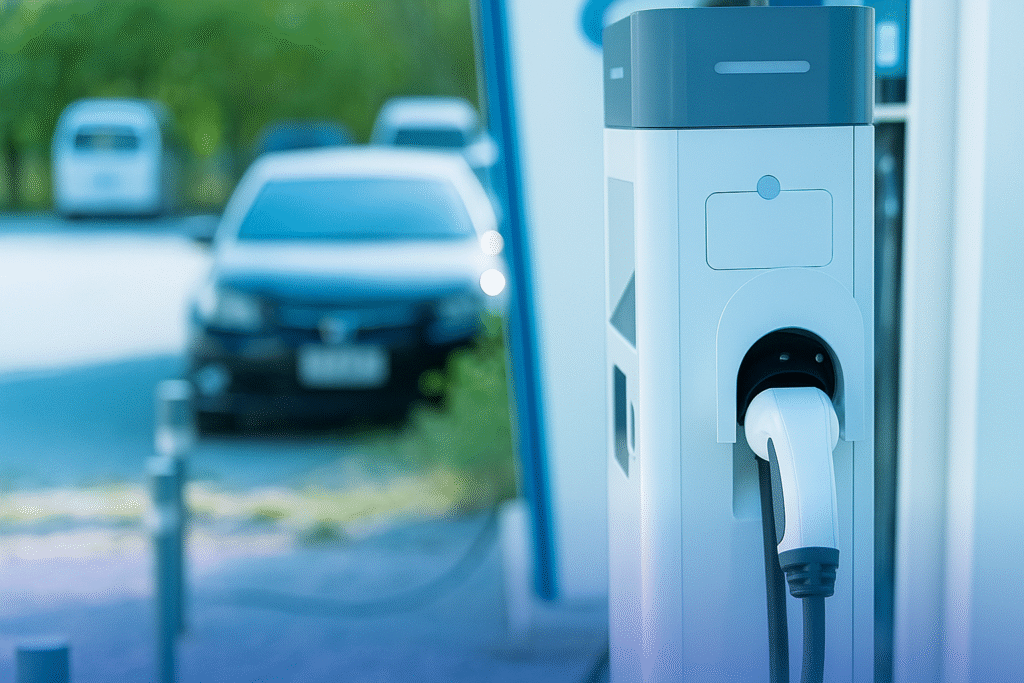
With the government offering tax incentives for electric vehicle (EV) use, many small businesses are now installing EV charging points at their premises.
While this is a positive step towards sustainability, it’s important not to overlook fire safety. A few early considerations can save you unnecessary complications later.
Engaging a Competent Contractor
First things first – ensure your EV charging point is installed by a competent, approved contractor. They should be registered under the Government’s Competent Person Scheme and work in accordance with:
- Manufacturer’s guidance, and
- The IET Code of Practice for Electric Vehicle Charging Equipment Installation.
You can verify or find competent installers here: Find an electric vehicle (EV) chargepoint installer – GOV.UK
When speaking with your contractor, ask if they understand the IET Code of Practice for Electric Vehicle Charging Equipment Installation and whether their work meets the standards set out in it.
Useful Tip – Ask the contractor which edition they’ll be working to. If they refer to the latest edition, it’s a good sign they’re keeping up to date with current standards and best practice.
The most recent edition can be found by searching “IET Code of Practice for Electric Vehicle Charging Equipment Installation” here: https://electrical.theiet.org/
Resources
This article only provides a brief overview. Before making any decisions and engaging with contractors, we always encourage our clients to stay well informed. With the astonishing amount of information available to us online, we strongly recommend setting aside some time in your calendar to read the following resources – they’re free!
Risk Insight: Electric Vehicle Charging (Zurich Insurance)
https://www.zurich.co.uk/-/media/news-and-insight/documents/useful-documents/zrs-ev-charging.pdf
RC59 Fire safety when charging electric vehicles (Fire Protection Association)
Charging Ahead Safeguarding: Property & People in the Era of Electric Vehicles (Zurich Insurance)
https://www.youtube.com/watch?v=zHttmLcJgOA&list=LL&index=3&t=1964s
Before Installing an EV Charging Point
As the Responsible Person, you should ensure your fire risk assessment and installation plans take account of the following:
- Rapid charging units (DC) – Direct current chargers draw a significant electrical load and present higher fire and electrical risks. These must be installed by a competent person.
- Impact or malicious damage – How will you protect the units from vehicles or vandalism?
- Location – Electric vehicle charging units should be installed externally and positioned as far as practicable from key buildings, structures, and utilities. The required distance between charging units (or parking bays) and buildings will largely depend on the construction of the external walls. Ideally, EV charging and parking areas should be located at least 10 metres from combustible walls, or 7.5 metres from unprotected openings or extensive glazing in non-combustible walls.
- When selecting the installation location, also consider nearby combustible materials, construction, and storage. Charging units should not be positioned within 10 metres of external combustible or flammable storage areas such as waste compounds, pallet stacks, or gas cylinder cages. Avoid siting chargers too close to buildings, fuel sources, or areas prone to water ingress.
- Inspection, testing and maintenance – Establish a clear inspection and maintenance regime in accordance with the manufacturer’s recommendations, and discuss these requirements at the early planning stage. Always choose a reputable company that can deliver and support these service regimes reliably over the long term.
- Isolation – Can the chargers be isolated safely in an emergency? Can the fire and rescue service easily isolate them?
- Housekeeping – Keep the area clear of leaves, vegetation, or stored combustibles.
- Training – Ensure employees are briefed on the safe use of charging equipment and relevant emergency procedures. Consider whether the manufacturer and/or competent person can deliver basic user training, or provide learning materials and resources to help you develop suitable internal training and maintain appropriate records.
All of these points should be discussed with your installer or competent person. Don’t be afraid to ask what might feel like “silly” questions – the more informed you are, the more likely they are to follow best practice. With fire safety law under increasing scrutiny, we are seeing a clear shift towards greater accountability and evidence of competence across all aspects of building safety and installation work.
Before installing any electric vehicle charging points, always inform your insurer and check if they have specific requirements.
Planning for an EV Fire
Your emergency plan and fire risk assessment must consider how to respond to an EV fire.
Current fire service guidance indicates that EV fires are often allowed to burn out, as water is not an effective extinguishing agent. Cooling adjacent areas and boundaries becomes the priority.
Key actions:
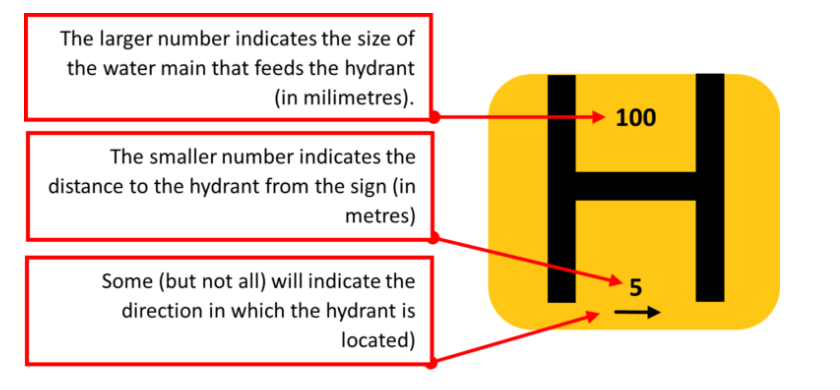
- Ensure access for the fire and rescue service is maintained, and that the nearest hydrant location is known. Take a minute to walk around your industrial estate and look for the “H”.
- Review your fire assembly point – it should be a safe distance from the charging points.
- Brief staff on emergency procedures specific to EV incidents. The installer and/ or manufacturer should able to provide guidance on this.
Free Resource: Download our Fire Emergency Plan Template to help you meet your legal duties under the Regulatory Reform (Fire Safety) Order 2005 and improve your emergency preparedness.
2 thoughts on “Fire Risk Assessment Considerations for Electric Vehicle Charging Points – What Every Business Should Know”